When you first hear about platelet rich plasma (PRP) therapy, the cost question hits pretty quickly. And honestly, it should — because unlike popping an over-the-counter pain reliever, PRP involves your wallet in a meaningful way.
I've found that most people approach PRP costs with a mix of curiosity and sticker shock. The numbers can range anywhere from a few hundred to several thousand dollars per treatment, which naturally leads to the question: what exactly am I paying for here?
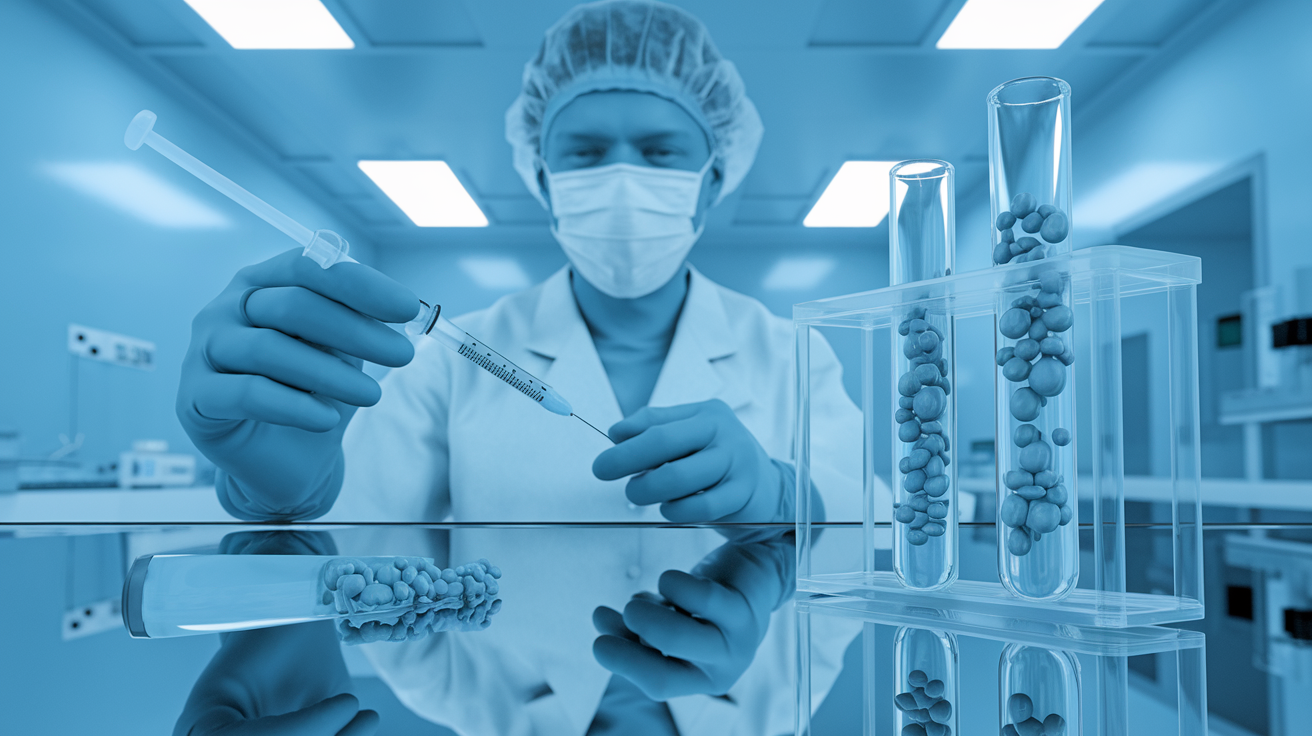
The short answer is that you're investing in a sophisticated process that turns your own blood into a concentrated healing cocktail. But the longer answer — the one that actually helps you make sense of those price tags — involves understanding how this therapy works and why costs vary so dramatically from clinic to clinic.
What Actually Drives PRP Therapy Pricing?
Here's the thing about PRP costs: they're not arbitrary numbers pulled from thin air. Several concrete factors influence what you'll pay, and understanding these can help you evaluate whether a particular price makes sense.
Equipment and technology play a huge role. The centrifuge systems used to separate and concentrate your platelets can range from basic tabletop units to sophisticated laboratory-grade machines. Higher-end equipment typically produces more consistent, higher-quality PRP — and that precision comes with a price premium.
The preparation method matters too. Some clinics use simple centrifugation protocols, while others employ advanced techniques that can increase platelet concentrations by 5-10 times above baseline levels. More complex preparation generally means higher costs.
Geographic location creates significant pricing variations. A PRP injection in Manhattan will likely cost more than the same treatment in rural Ohio, reflecting differences in overhead costs, local market rates, and patient demographics.
The Physician Expertise Factor
You're also paying for medical expertise, and this isn't just about having a medical degree. Physicians who specialize in regenerative medicine or have extensive experience with PRP protocols often charge premium rates. This experience can potentially translate to better outcomes — though you should always discuss realistic expectations with any provider you're considering.
Some doctors have invested heavily in additional training, research, or specialized certifications in regenerative therapies. While this doesn't guarantee superior results, it does represent additional value that's typically reflected in pricing.
Typical PRP Cost Ranges by Treatment Area
PRP pricing often depends on where you're getting treated and how complex the injection procedure is. A simple scalp injection for hair restoration typically costs less than a complex joint injection that requires imaging guidance.

Visual overview: Key facts about platelet rich plasma therapy costs explained
For musculoskeletal applications, costs can vary significantly. Joint treatments like knee stem cell therapy costs often fall in the higher range because they may require ultrasound or fluoroscopic guidance for precise placement.
- Single joint treatments: $500-$2,000 per session
- Multiple injection sites: $800-$3,500 per session
- Complex procedures requiring imaging guidance: $1,200-$4,000 per session
- Hair restoration treatments: $400-$1,500 per session
- Facial rejuvenation applications: $600-$2,500 per session
These ranges reflect what I've observed across different markets in 2026. But remember — pricing can vary dramatically based on your specific location and the clinic's positioning in the market.
Treatment Packages vs. Single Sessions
Many clinics offer package deals for multiple PRP sessions, which can reduce your per-treatment cost. Since PRP often works best as a series of treatments spaced several weeks apart, these packages can make financial sense.
A typical package might include 3-4 treatments over 3-6 months, with discounts ranging from 10-20% compared to individual session pricing. Some providers also throw in follow-up consultations or complementary treatments as package sweeteners.
The Insurance Coverage Reality Check
Here's where things get a bit frustrating for many patients: most insurance plans don't cover PRP therapy for common applications like joint pain, hair loss, or cosmetic treatments. Insurance companies generally classify PRP as experimental or cosmetic, placing it firmly in the out-of-pocket category.
That said, coverage policies are evolving. Some insurers may cover PRP for specific conditions where research suggests clinical benefit, particularly in orthopedic applications. But you shouldn't count on insurance coverage when budgeting for PRP treatments.
If you're considering PRP for a condition that might qualify for coverage, your doctor's office can help you navigate the prior authorization process. Just be prepared for the possibility that you'll be paying out of pocket regardless.
Financing and Payment Options
Recognizing that PRP represents a significant expense for many patients, numerous clinics now offer financing options. Medical credit companies like CareCredit provide payment plans that can spread PRP costs over several months or years.
Some clinics also offer in-house payment plans or discounts for upfront payment. If cost is a concern, don't hesitate to ask about available options — many providers are willing to work with patients on payment arrangements.
Hidden Costs You Should Know About
The quoted PRP price isn't always the total cost of your treatment journey. Several additional expenses might crop up that can affect your overall investment.
Initial consultations often carry separate fees, typically ranging from $200-$500. Some clinics apply this consultation fee toward your treatment cost if you proceed, while others treat it as a standalone charge.
Imaging studies like MRI scans or ultrasounds might be recommended before treatment, adding several hundred to over a thousand dollars to your total costs. While not always necessary, these studies can help your doctor better target the treatment area.
Follow-up visits and progress evaluations may incur additional charges. Some providers include these in their package pricing, while others bill separately for each visit.
If you're traveling for treatment — perhaps to access a specialist or find better pricing — don't forget to factor in travel costs, accommodation, and time off work.
How PRP Costs Stack Up Against Alternatives
When evaluating PRP pricing, you might find it helpful to compare treatment costs with other regenerative medicine options or conventional treatments for your condition.
For joint problems, PRP might cost more upfront than steroid injections but potentially less than surgical interventions. A single PRP session could cost $1,500, while arthroscopic knee surgery might run $15,000-$30,000 when you factor in hospital fees, anesthesia, and rehabilitation.
Hair restoration provides another interesting comparison. While PRP treatments might cost $800-$1,500 per session with multiple sessions needed, hair transplant surgery can range from $8,000-$20,000 for comprehensive treatment.
That brings us to an important consideration: PRP often requires multiple treatments to achieve optimal results. A single session might provide some benefit, but most protocols involve 3-6 treatments over several months. This can multiply your total investment significantly.
Value vs. Cost Considerations
Price alone doesn't tell the whole story when evaluating PRP therapy. The value equation includes factors like potential effectiveness, safety profile, recovery time, and long-term benefits.
Research suggests that PRP may help with various conditions, from joint pain to hair loss, though results can vary significantly between individuals. The minimally invasive nature of PRP treatments means less downtime compared to surgical alternatives, which has value if you can't afford extended time away from work or activities.
Your doctor can help you weigh these factors against the financial investment to determine if PRP makes sense for your specific situation and goals.
Finding Quality Care at Fair Prices
Shopping for PRP treatments requires balancing cost considerations with quality and safety factors. The cheapest option isn't necessarily the best value if it compromises your safety or treatment outcomes.
When evaluating providers, look for physicians with relevant experience in regenerative medicine and your specific condition. Board certification in relevant specialties (orthopedics, dermatology, sports medicine) can provide additional confidence in their qualifications.
Clinic facilities and equipment quality matter too. While you don't need the fanciest setup, the facility should maintain proper sterile techniques and use appropriate equipment for PRP preparation and administration.
Many patients find value in consulting with multiple providers before making a decision. This allows you to compare not just pricing, but also treatment approaches, physician expertise, and overall comfort level with the provider.
Questions to Ask Potential Providers
Before committing to PRP treatment, consider asking providers about their specific protocols, success rates, and pricing transparency. Understanding exactly what's included in the quoted price can help you avoid surprise charges later.
Ask about their PRP preparation methods, expected treatment timeline, and realistic outcome expectations. A provider who can't clearly explain their approach or makes unrealistic promises might not be the best choice, regardless of pricing.
You should also discuss potential risks and side effects, as well as what happens if you don't achieve the desired results. Some providers offer additional treatments at reduced rates if initial results are suboptimal.
Making the Financial Decision
Deciding whether to invest in PRP therapy involves weighing the potential benefits against the financial commitment and your personal circumstances. For some people, the cost represents a worthwhile investment in potentially avoiding more expensive surgical interventions or improving quality of life.
Consider your timeline and expectations carefully. PRP isn't typically a quick fix — results may take several weeks to months to become apparent, and multiple treatments are often needed. Make sure you're financially prepared for the full treatment protocol, not just the initial session.
If you're dealing with a condition that significantly impacts your daily life or work capacity, the potential return on investment from successful PRP treatment might justify the expense. But this calculation is highly personal and should include input from your healthcare provider.
Before making a final decision, I'd recommend discussing your specific situation with a qualified physician who can help you understand whether PRP might be appropriate for your condition and circumstances. They can provide personalized guidance that generic cost information simply can't match.
The investment in PRP therapy represents more than just the upfront costs — it's a bet on your body's potential to heal itself with a little technological assistance. Whether that bet makes sense for you depends on your unique situation, expectations, and financial comfort level.