The landscape of regenerative medicine has shifted dramatically since 2024, and the cost implications are staggering. While traditional stem cell therapies remain the go-to option for many patients, lab-grown organs are finally moving from science fiction into clinical reality — with price tags that might surprise you.
I've been tracking these developments closely, and what's happening in 2026 represents a fascinating crossroads. The question isn't just whether lab-grown organs work (early results suggest they do), but whether they make financial sense compared to the conditions treated with stem cells through conventional methods.
Traditional Stem Cell Pricing: A 2026 Reality Check
Here's what you're looking at for established stem cell treatments this year. The pricing has stabilized somewhat compared to the wild fluctuations we saw in 2024 and 2025.
Orthopedic applications continue to dominate the market. Knee stem cell therapy costs typically range from $8,500 to $15,000 per treatment, depending on your location and the complexity of your case. That's actually down about 12% from last year as more clinics have entered the market.
What's interesting is how geographic variations persist. California stem cell clinics still command premium pricing — often 20-30% above national averages — while Mexico stem cell clinics offer the same procedures for roughly half the U.S. cost.
- Joint treatments: $7,000-$18,000 (knees, hips, shoulders)
- Spinal applications: $12,000-$25,000
- Cardiac procedures: $45,000-$85,000
- Neurological treatments: $25,000-$75,000
- Cosmetic applications: $3,000-$12,000
These numbers reflect out-of-pocket expenses since insurance coverage remains spotty for most stem cell procedures. Some patients report partial coverage through health savings accounts or flexible spending arrangements, but that's still the exception rather than the rule.
Lab-Grown Organs: The New Frontier
Now here's where things get really interesting. Bioengineered organs — grown from a patient's own stem cells — have moved beyond experimental status at select medical centers. The technology finally caught up to the hype, but the economics are complex.

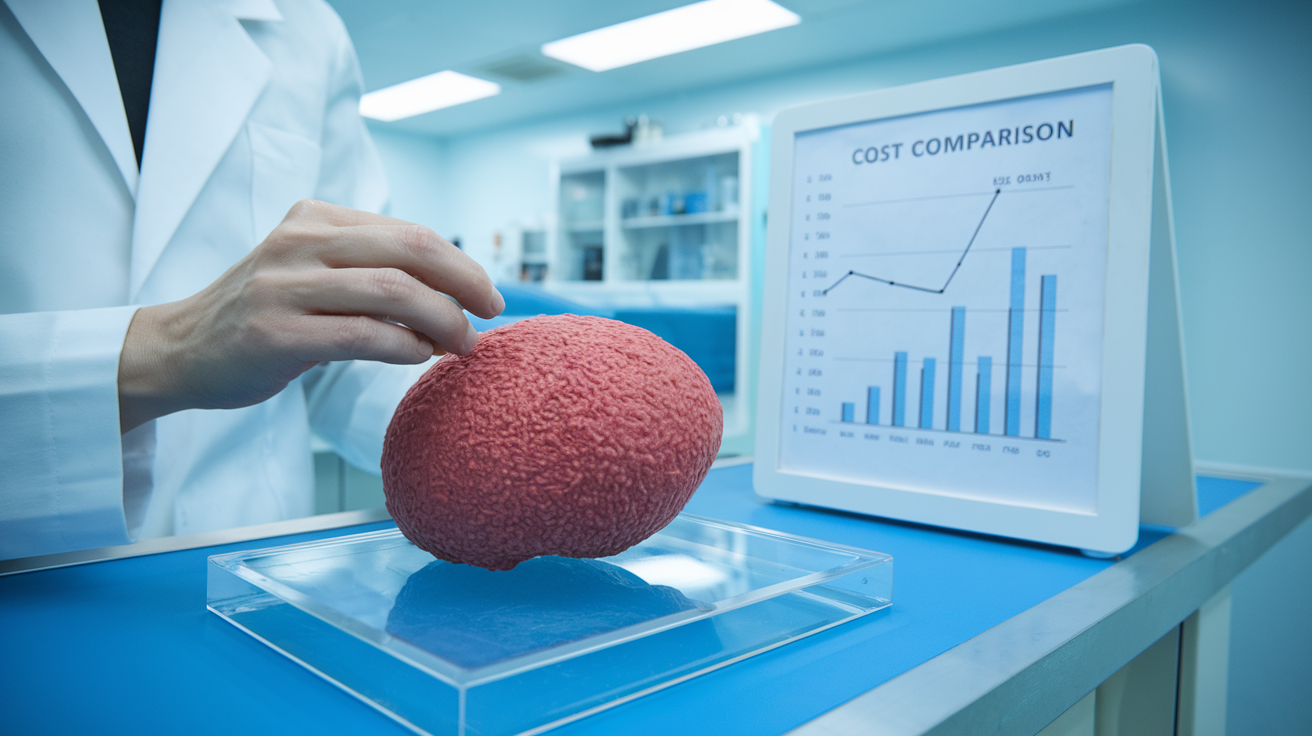
Visual overview: Key facts about Stem cell therapy costs: lab-grown organs vs traditional treatments in 2026
Current Lab-Grown Options and Pricing
As of 2026, you can actually get lab-grown versions of certain tissues and organs, though availability remains limited to specialized centers. The FDA has approved several bioengineered products, and clinical trials are expanding rapidly.
Skin grafts represent the most accessible option. A lab-grown skin graft for burn victims or chronic wound treatment runs $15,000-$35,000, including the 6-8 week cultivation period. That's competitive with multiple traditional skin grafting surgeries when you factor in recovery time and success rates.
Cartilage replacement is where things get exciting for orthopedic patients. Instead of injecting stem cells and hoping they differentiate properly, surgeons can now implant lab-grown cartilage tissue. The cost? $45,000-$75,000, but early data suggests better outcomes than traditional approaches.
The real game-changers are coming online now: lab-grown heart valves ($180,000-$250,000), trachea replacements ($125,000-$200,000), and bladder reconstructions ($85,000-$140,000).
Cost Comparison: The Surprising Economics
Here's what caught me off guard when I started crunching these numbers. Lab-grown organs aren't always more expensive than their alternatives — sometimes they're actually cheaper when you look at the total cost of care.
Take a damaged heart valve. Traditional replacement surgery with a mechanical valve costs $120,000-$180,000, but patients need lifelong anticoagulation therapy and regular monitoring. A lab-grown valve costs more upfront but potentially eliminates those ongoing expenses since it's made from the patient's own cells.
Hidden Costs in Both Approaches
The sticker price tells only part of the story. Traditional stem cell treatments often require multiple sessions. I've seen patients undergo three or four rounds of shoulder stem cell treatments over two years, turning a $12,000 procedure into a $40,000+ journey.
Lab-grown organs front-load the expenses but may reduce long-term complications. The cultivation period (typically 4-12 weeks) adds costs for patient monitoring and interim treatments, but rejection rates appear significantly lower than conventional organ transplants.
You'll also want to factor in travel expenses. While traditional stem cell clinics are widely available (you can easily find clinics near you), lab-grown organ procedures are limited to maybe 20 specialized centers nationwide.
Insurance Coverage: An Evolving Landscape
This might be the most important factor in your decision, and the landscape shifted considerably in late 2025. Several major insurers now cover lab-grown organs for specific conditions where they demonstrate cost-effectiveness over traditional treatments.
Medicare expanded coverage to include bioengineered skin grafts and certain cartilage procedures as of January 2026. Private insurers are following suit, though coverage varies significantly by provider and region.
Traditional stem cell treatments remain largely excluded from insurance coverage, though some carriers now cover procedures for FDA-approved indications. That's a meaningful change — many orthopedic applications that were considered experimental two years ago now qualify for coverage at select insurers.
What Doctors Are Actually Recommending
I've spoken with physicians at major medical centers, and their perspectives vary widely based on their specialties and patient populations. Orthopedic surgeons seem most optimistic about traditional stem cell approaches, particularly for joint preservation in younger patients.
Reconstructive surgeons, by contrast, are increasingly excited about lab-grown options. As one surgeon told me, "When you're rebuilding a trachea or bladder, having tissue that's genetically identical to the patient changes everything."
The consensus seems to be that both approaches will coexist, with lab-grown organs handling complex reconstructive cases while traditional stem cell injections continue dominating less invasive applications.
Making the Financial Decision
So how do you actually choose between these options? The math depends heavily on your specific situation, but I've identified some key decision points.
If you're dealing with a straightforward orthopedic issue — say, early-stage knee arthritis — traditional stem cell therapy likely makes more financial sense. The procedures are widely available, costs are predictable, and you can compare treatment costs across multiple providers.
But if you're facing a complex reconstructive challenge, lab-grown organs may be worth the higher upfront investment. The potential to avoid multiple surgeries and reduce rejection risks can justify the premium pricing.
Geography plays a huge role too. Patients in Texas or Florida have access to competitive pricing for both approaches, while those in rural areas may need to factor in significant travel expenses for either option.
Financing Options Are Expanding
Medical financing has adapted to these higher price points. Several companies now offer specialized loan products for regenerative medicine, with terms extending up to 84 months for lab-grown organ procedures.
Some clinics partner with financing companies to offer promotional rates — I've seen 0% interest for 24 months on procedures over $25,000. That can make the cash flow more manageable, though you'll want to read the fine print carefully.
Looking Ahead: Price Predictions
Based on current trends, I expect traditional stem cell treatment costs to continue their gradual decline as competition increases. We might see another 15-20% reduction over the next two years for common procedures.
Lab-grown organs present a different trajectory. While current costs are high, the technology is scaling rapidly. Manufacturing improvements and increased volume could drive costs down dramatically — possibly 40-50% by 2028 for established procedures.
The wild card is insurance coverage. If major carriers begin covering lab-grown organs broadly, demand will surge and could actually drive prices higher in the short term.
What's clear is that both options will likely remain expensive compared to conventional treatments. But given the potential benefits — reduced recovery time, lower complication rates, better long-term outcomes — many patients find the investment worthwhile.
Before making any decisions about these advanced treatments, discuss your specific situation with a qualified physician who can evaluate whether you're a candidate for either approach. The cost analysis only matters if the treatment is likely to benefit your particular condition.