Medically reviewed
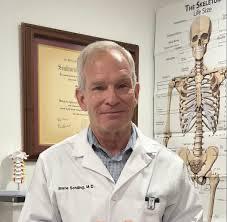
Dr. Blane Schilling, MD
Dr. Blane Schilling, MD is a family medicine physician and integrative wellness specialist with 30 years of clinical experience. He reviews medically sensitive articles for medical accuracy, safety context, contraindications, evidence quality, and practical reader risk across supplements, procedures, treatments, and wellness topics.
View full credentials →Clinic photos coming soon
About Johns Hopkins Orthopaedics
The Department of Orthopaedic Surgery at Johns Hopkins is a world-renowned leader in the diagnosis and treatment of a wide range of musculoskeletal conditions. With a rich history dating back to 1900, the department has been at the forefront of orthopaedic innovation, patient care, and research for over a century. The mission of Johns Hopkins Medicine is to improve the health of the community and the world by setting the standard of excellence in medical education, research, and clinical care. This mission is reflected in the Department of Orthopaedic Surgery's commitment to providing patient-centered medicine to prevent, diagnose, and treat human illness. The vision of Johns Hopkins Medicine is to push the boundaries of discovery, transform health care, advance medical education, and create hope for humanity. This vision is evident in the department's dedication to excellence and discovery, leadership and integrity, diversity and inclusion, and respect and collegiality. The department's team of highly specialized experts diagnose and treat patients with a variety of conditions and disorders affecting the bones, muscles, joints, tendons, and ligaments. Whether a simple injury or a complex condition, the department provides innovative solutions and compassionate care. The department's specialties include bone health, foot and ankle surgery, general orthopaedics, hand surgery, hip and knee replacement, orthopaedic oncology, osseointegration, pediatric orthopaedic surgery, shoulder and elbow surgery, spine surgery, sports medicine, and trauma surgery. The department is staffed by a team of nationally and internationally recognized surgeons, as well as a dedicated team of nurses, physician assistants, and other healthcare professionals. Johns Hopkins Orthopaedics is committed to providing a comprehensive and personalized approach to patient care. The department's surgeons are leaders in their respective fields and are dedicated to providing the most advanced and effective treatments available.
The department is also a leader in orthopaedic research, with a focus on developing new and innovative treatments for musculoskeletal conditions. The department's research is supported by a state-of-the-art research facility and a team of dedicated researchers. The department is also committed to educating the next generation of orthopaedic surgeons. The department's residency and fellowship programs are among the most competitive in the country and provide trainees with the skills and knowledge they need to become leaders in the field of orthopaedic surgery. The patient experience at Johns Hopkins Orthopaedics is second to none. The department's staff is dedicated to providing a compassionate and supportive environment for patients and their families. The department's facilities are state-of-the-art and are designed to provide patients with the most comfortable and convenient experience possible. The department is also committed to providing patients with the information they need to make informed decisions about their care. The department's website provides a wealth of information about the department's services, surgeons, and research. The department also offers a variety of patient education materials, including brochures, videos, and online resources. In addition to its commitment to patient care, research, and education, Johns Hopkins Orthopaedics is also committed to serving the community. The department's surgeons and staff are actively involved in a variety of community outreach programs, including providing free orthopaedic care to underserved populations. The department is also a leader in global health, with a focus on improving orthopaedic care in developing countries. The department's surgeons and staff have traveled to countries around the world to provide orthopaedic care and to train local surgeons. The department's commitment to patient care, research, education, and community service has made it one of the most respected orthopaedic departments in the world.
126+
Years Experience
4.7/5
Patient Rating
335
Patient Reviews
Clinic Information
Address
601 N. Caroline Street, Baltimore, MD 21287
Phone
+1 (443) 997-2663Hours
Mon-Fri: 8am-5pm
Sat: Closed
Sun: Closed
Languages
English, Spanish, and over 300 other languages through interpreter services
Accreditations
The Johns Hopkins Hospital is fully accredited by The Joint Commission on accreditation of health care organizations and is licensed by the Maryland Department of Health and Mental Hygiene. The Johns Hopkins Medical Laboratories maintain current CLIA, Maryland State Licenses, as well as accreditation by The College of American Pathologists.
Payment Options
Cash, Credit Card, Financing Available, CareCredit
Treatments Offered
Medical Team
Dr. Albert Aboulafia MD
Orthopedics: Musculoskeletal Oncology/Cancer
Dr. Abdulaziz Ahmed MD
Orthopedics: Elbow Surgery, Orthopedic Sports Medicine, Shoulder Surgery
Rebecca Campbell PA
Physician Assistant: General Orthopedics PA
Ellyssa B. Chinnaswamy PA
Physician Assistant: General Orthopedics PA
Lora L. Clawson NP
Nurse Practitioner: Orthopedic Surgery
Dr. David B. Cohen MD
Orthopedics: Hip & Knee Reconstructive Surgery, Orthopedic Spine Surgery
Dr. Andrew Cosgarea MD
Orthopedics: Orthopedic Sports Medicine
Samuel R. Cox PA
Physician Assistant: General Orthopedics PA
Frequently Asked Questions
Stem cell therapy is a form of regenerative medicine that uses the body's own stem cells to repair and regenerate damaged tissues. At Johns Hopkins, our specialists are exploring the use of stem cell therapies for a variety of orthopedic conditions, including arthritis, tendonitis, and ligament injuries. While many of these therapies are still considered investigational, our team is dedicated to advancing the science of regenerative medicine and offering our patients the most promising new treatments.
Johns Hopkins Orthopedics offers a range of regenerative medicine therapies, including Platelet-Rich Plasma (PRP) therapy, Bone Marrow Aspirate Concentrate (BMAC), and other cell-based therapies. Our specialists will work with you to determine the most appropriate treatment for your specific condition.
Candidates for stem cell therapy are typically individuals with chronic pain or injuries that have not responded to traditional treatments such as physical therapy, medication, or surgery. A thorough evaluation by one of our orthopedic specialists is necessary to determine if you are a good candidate for stem cell therapy.
As with any medical procedure, there are potential risks and benefits associated with stem cell therapy. The potential benefits include pain relief, improved function, and a faster return to activities. The potential risks are minimal and may include pain or infection at the injection site. Our specialists will discuss the potential risks and benefits with you in detail before you decide to proceed with treatment.
The process for receiving stem cell therapy at Johns Hopkins begins with a comprehensive evaluation by one of our orthopedic specialists. If you are determined to be a good candidate for treatment, our team will work with you to develop a personalized treatment plan. The procedure itself is typically performed in an outpatient setting and involves a simple injection of your own stem cells into the affected area.
The cost of stem cell therapy varies depending on the specific treatment and the individual patient's needs. Since many of these therapies are still considered investigational, they may not be covered by insurance. Our team will provide you with a detailed cost estimate before you decide to proceed with treatment. We also offer a variety of payment and financing options to make treatment more affordable.
Trust Score
78Get a Free Quote
By submitting, you agree to our privacy policy.