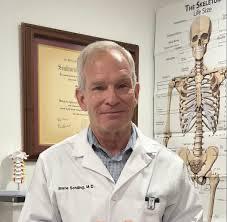
Medically reviewed
Dr. Blane Schilling, MD
Dr. Blane Schilling, MD is a family medicine physician and integrative wellness specialist with 30 years of clinical experience. He reviews medically sensitive articles for medical accuracy, safety context, contraindications, evidence quality, and practical reader risk across supplements, procedures, treatments, and wellness topics.
View full credentials →Clinic photos coming soon
About Vanderbilt Orthopaedics
Vanderbilt Orthopaedics, a part of the prestigious Vanderbilt University Medical Center in Nashville, Tennessee, stands as a beacon of excellence in musculoskeletal care. With a rich history rooted in academic medicine and a steadfast commitment to patient-centered innovation, the department has earned a reputation as a leader in orthopaedic surgery and rehabilitation, not only in Tennessee but across the nation. Its mission, deeply intertwined with that of the broader Vanderbilt Health system, is to personalize the patient experience through a combination of compassionate care and distinctive capabilities. This philosophy permeates every aspect of the department's operations, from initial diagnosis to complex surgical interventions and comprehensive rehabilitation programs. The history of Vanderbilt's medical endeavors dates back to the 19th century, with the formal establishment of the School of Medicine in 1875. Over the decades, it has grown into a world-renowned institution, and the Department of Orthopaedic Surgery has been a key contributor to its success. The department's own history is marked by a legacy of pioneering clinical care, groundbreaking research, and a dedication to educating the next generation of orthopaedic specialists. This is exemplified by their early adoption and advancement of pediatric orthopaedics, a field that was championed by the late Dr. Neil Green, who laid a strong foundation for the exceptional pediatric care provided today. The department's commitment to innovation is further highlighted by its role in performing the state's first MACI (Matrix-induced autologous chondrocyte implantation) surgery, a cutting-edge regenerative medicine technique for knee cartilage repair. This procedure, performed by Dr. Scott Arthur, underscores Vanderbilt's position at the forefront of orthopaedic technology and treatment. Vanderbilt Orthopaedics offers a comprehensive range of specialties, addressing the full spectrum of musculoskeletal conditions. The department is organized into subspecialty divisions, ensuring that patients receive care from true experts in their specific condition. These divisions include adult reconstruction, foot and ankle, hand and upper extremity, musculoskeletal oncology, orthopaedic trauma, pediatric orthopaedics, spine surgery, and sports medicine. This high degree of sub-specialization allows for a depth of knowledge and experience that is unmatched in the region.
The sports medicine division, in particular, has a high profile, serving as the official healthcare provider for the Nashville Predators, Nashville Sounds, Nashville Soccer Club, and the Vanderbilt University Commodores. This speaks to the trust that elite athletes place in the department's ability to provide world-class care. The department's approach to treatment is collaborative and multidisciplinary. Orthopaedic surgeons work in close concert with a team of highly skilled professionals, including nurses, athletic trainers, physical and occupational therapists, and other specialists. This team-based approach ensures that each patient receives a personalized and holistic treatment plan that is tailored to their unique needs and goals. The emphasis is not just on treating the immediate injury or condition, but on restoring function, improving quality of life, and promoting long-term musculoskeletal health. This patient-centric focus is a hallmark of the Vanderbilt experience. The facilities at Vanderbilt Orthopaedics are state-of-the-art, equipped with the latest diagnostic and surgical technology. The main clinic is located at the Vanderbilt University Medical Center, a sprawling campus that houses a multitude of specialty clinics and research facilities. The department also has several satellite locations throughout the Nashville and Middle Tennessee area, making it convenient for patients to access care close to home. These modern and well-equipped facilities provide the ideal environment for delivering the highest quality of care. The patient experience at Vanderbilt Orthopaedics is characterized by a combination of clinical excellence and compassionate care. From the moment a patient walks through the door, they are treated with respect and empathy. The staff is dedicated to making the patient journey as smooth and comfortable as possible, providing clear communication, answering questions, and offering support every step of the way. The department's commitment to patient satisfaction is reflected in its consistently high patient ratings and positive reviews. Patients frequently praise the expertise of the doctors, the friendliness of the staff, and the overall quality of care they receive. This unwavering focus on the patient experience is what truly sets Vanderbilt Orthopaedics apart as a leader in musculoskeletal care.
151+
Years Experience
4.2/5
Patient Rating
130
Patient Reviews
Clinic Information
Address
1215 21st Avenue South, Suite 4200, Nashville, TN 37232
Phone
+1 (615) 936-7846Hours
Mon-Fri: 7:30am-5:00pm
Languages
English
Accreditations
Southern Association of Colleges and Schools Commission on Colleges (SACSCOC), The Joint Commission
Payment Options
Cash, Credit Card, Financing Available, CareCredit
Treatments Offered
Medical Team
Rick W. Wright, MD
Dan Spengler, MD Professor and Chair, Department of Orthopaedic Surgery
Chief Medical Officer
Senior Vice President for Clinical Affairs, Vanderbilt University Medical Center
Division of Sports Medicine
Charles Leonard Cox, MD, MPH
Assistant Professor, Division of Sports Medicine
Executive Medical Director, Orthopaedic Patient Care Center
Fellowship Director, Sports Medicine & Shoulder Surgery
Byron F. Stephens, MD
Associate Professor
Frequently Asked Questions
Stem cell therapy is a form of regenerative medicine that uses the body's own healing potential to repair and regenerate damaged tissues. At Vanderbilt Orthopaedics, while specific offerings are not detailed, the use of MACI (Matrix-induced autologous chondrocyte implantation) for knee cartilage repair indicates a focus on advanced regenerative techniques. This procedure involves harvesting a patient's own cartilage cells, expanding them in a lab, and then implanting them back into the knee to regenerate healthy cartilage. While this is a specific type of cell therapy, it reflects the innovative approaches being explored at Vanderbilt.
Vanderbilt Orthopaedics treats a wide range of musculoskeletal conditions. While the website does not explicitly list all conditions treated with regenerative medicine, the use of MACI for knee cartilage defects suggests a focus on joint preservation and cartilage repair. It is best to consult with a Vanderbilt Orthopaedics specialist to determine if your specific condition could benefit from regenerative therapies.
Dr. Scott Arthur is a key figure in regenerative medicine at Vanderbilt, having performed the first MACI procedure in Tennessee. The department also has a team of highly specialized orthopaedic surgeons, and it is likely that others are involved in regenerative medicine research and clinical practice. To find the right specialist for your needs, it is recommended to contact the department directly.
The process for receiving a treatment like MACI involves several steps. First, a small sample of healthy cartilage is taken from your knee. These cells are then sent to a laboratory where they are grown and multiplied over several weeks. Finally, the new cartilage cells are implanted back into your knee in a second surgical procedure. The specific process for other potential regenerative therapies would be determined by your doctor.
Insurance coverage for stem cell therapy can vary widely. Some procedures, like MACI, may be covered by insurance for specific conditions. However, many other forms of stem cell therapy are still considered experimental and may not be covered. It is essential to check with your insurance provider and with the financial counselors at Vanderbilt to understand your coverage and any potential out-of-pocket costs.
The potential benefits of stem cell therapy include pain relief, improved function, and the potential to delay or avoid more invasive surgeries like joint replacement. However, as with any medical procedure, there are also risks. These can include infection, blood clots, and the possibility that the treatment may not be effective. It is important to have a thorough discussion with your doctor at Vanderbilt Orthopaedics to understand the potential risks and benefits as they relate to your specific situation.
Trust Score
71Get a Free Quote
By submitting, you agree to our privacy policy.